Using 1 modular storage unit combined with a tabletop or seating as an example, this explains how procurement should lock down 4 dimensions item by item before ordering: storage width and divider height, tabletop form and height, locking method, and add-ons, along with applicable conditions and acceptance comparison recommendations.
For office furniture environmental and quality documentation, what matters is not whether certificates exist, but whether the reports can be tied to specific models, board batches and contract acceptance clauses. This article explains, based on document correspondence, the order of verification, the 3 standards that can be checked, and the parts that still require samples or third-party testing for confirmation.
Quality metrics cannot offset one another. Compliance limits, structural durability, dimensional ergonomics, appearance and color variation, and delivery and after-sales each have their own verification methods. This article offers conditional prioritization recommendations, methods for cross-checking reports against samples, and acceptance and after-sales clauses that must be written into the contract.
Before custom office furniture enters design confirmation, five categories of materials—drawings, BOM, material color samples, standards and testing, and delivery and after-sales—should be checked separately with a designated confirmer for each. This article sets out the applicable conditions, the situations where it does not apply, and executable verification actions, and explains which matters must be governed by the project confirmation documents and the contract.
Neither of the 2 workstation types is universally better; the key lies in focus requirements, frequency of reconfiguration, cable routing and acceptance criteria. This article sets out verifiable comparison dimensions, conditions under which each applies and does not apply, and the items that should be confirmed through samples, test reports and on-site checks before signing a contract.
Disputes over acceptance of file cabinets and archive storage mostly stem from inspection items, judgment criteria, and problem-closure methods not being clearly written at the procurement stage. This article provides ready-to-use wording for 4 categories of clauses—cabinet type, appearance and hardware, installation, and after-sales—and explains which content must be governed by the contract, the current version of standards, and project confirmation documents.
Meeting table selection is often split into 2 steps: first pick the table shape, then add outlets. In actual use, cable routing in turn constrains the table structure and dimensions. This article gives a selection sequence based on meeting frequency, equipment connections and expected reconfiguration, and explains the acceptance and after-sales items that should be written into the confirmation documents before ordering.
Choosing open-plan workstations is not just about the desktop style. First determine the layout module and cable routing method, then check panel interchangeability, screen modules and storage configuration, and finally write the acceptance checklist and warranty scope into the contract, so that room is left for layout adjustments and routine maintenance.
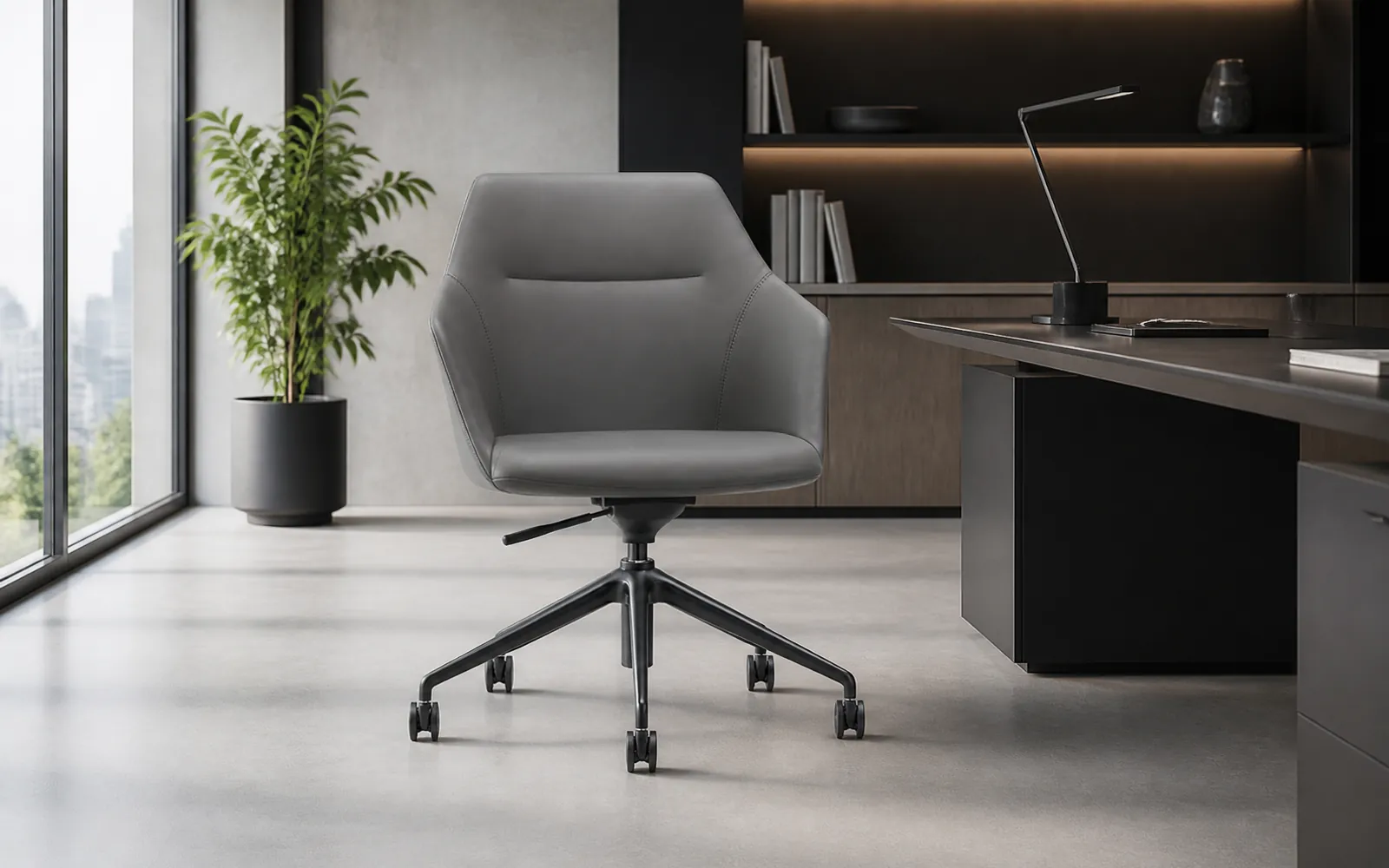
When choosing an office chair, first determine the required adjustments based on the role, then conduct repeatable test sits and record the results, and finally put the fabric, frame, standard basis, and warranty terms into a confirmation document. More adjustment features do not mean a better fit, and a short test sit cannot replace long-term validation.
Multiple office furniture quotations often use different bases. This article explains how to establish a comparable basis from four aspects: aligning drawings and the BOM, breaking down components and materials, listing service line items, and reviewing acceptance and after-sales terms. It also identifies which details must be governed by project confirmation documents and the contract.
Steel filing cabinets may look similar, but quality differences lie in the steel sheet and coating, structure and hardware, batch inspection records, and after-sales terms. This article organizes the items that can be confirmed one by one with suppliers during procurement and acceptance into four sets of questions, and explains which answers should be included in project confirmation documents and which values must be provided by the supplier rather than assumed in advance.
Office furniture procurement involves multiple product categories and process stages, so selecting a supplier cannot rely solely on brand or quotation. This article provides a verifiable checklist organized along three lines—products, solutions, and after-sales service—and explains which commitments must be incorporated into the contract.